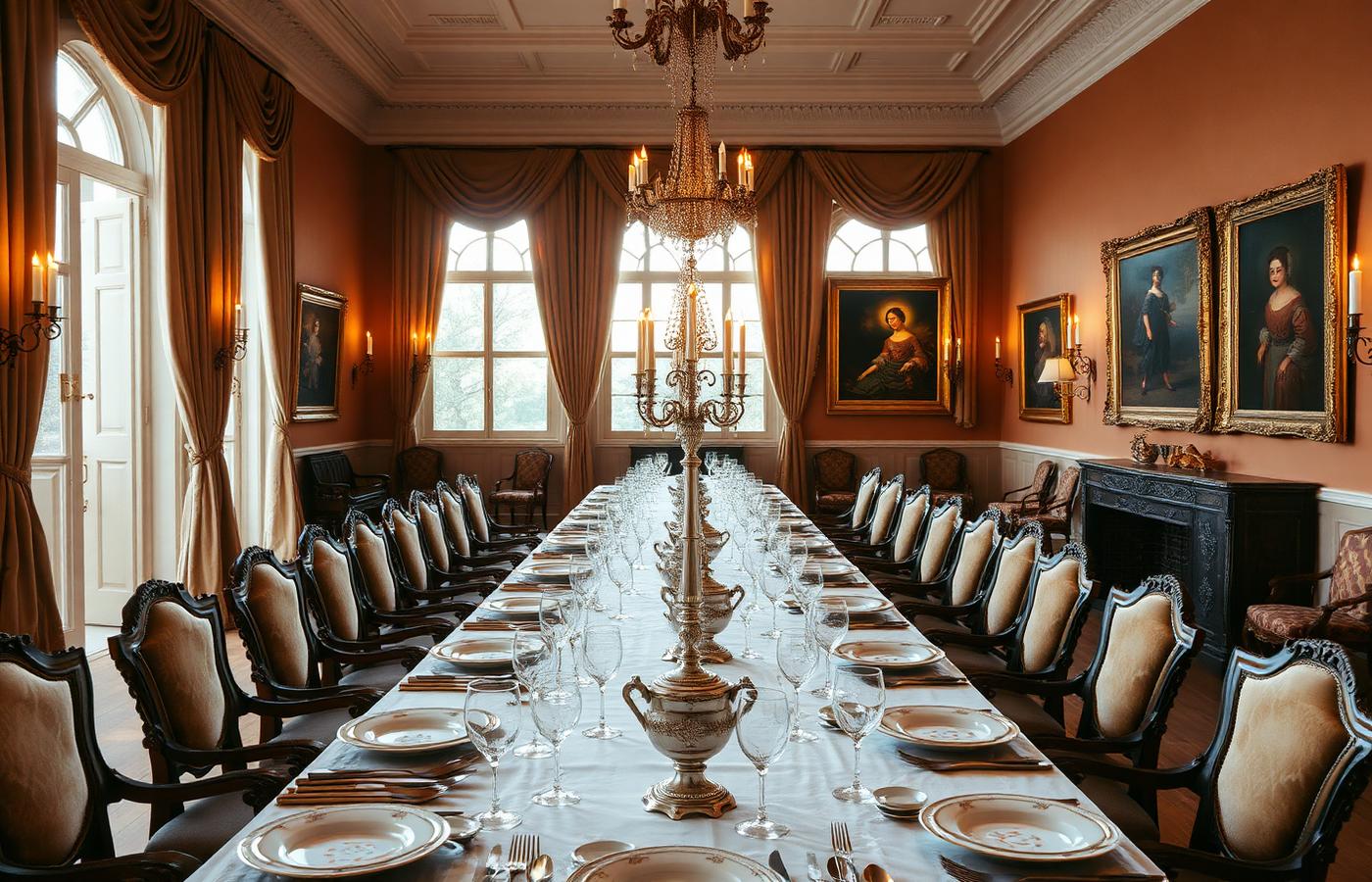
A distinguished guide for the Latin American host: from the tablecloth to the last toast — fine dining as an act of hospitality and style.
«To receive is to offer a night the guest will remember: not for what was served, but for the way they were made to feel».
In the Latin American tradition, the hostess indicates the seats and opens each course. No guest sits or begins before she signals it — a courtesy that gives the evening its rhythm.
Guests arrive fifteen minutes ahead for the aperitif. Dinner is served at the agreed hour: keeping the cook waiting is as thoughtless as arriving late.
The fold of the napkin, the temperature of the wine, the hush of porcelain set down: every detail speaks of the care behind the occasion.
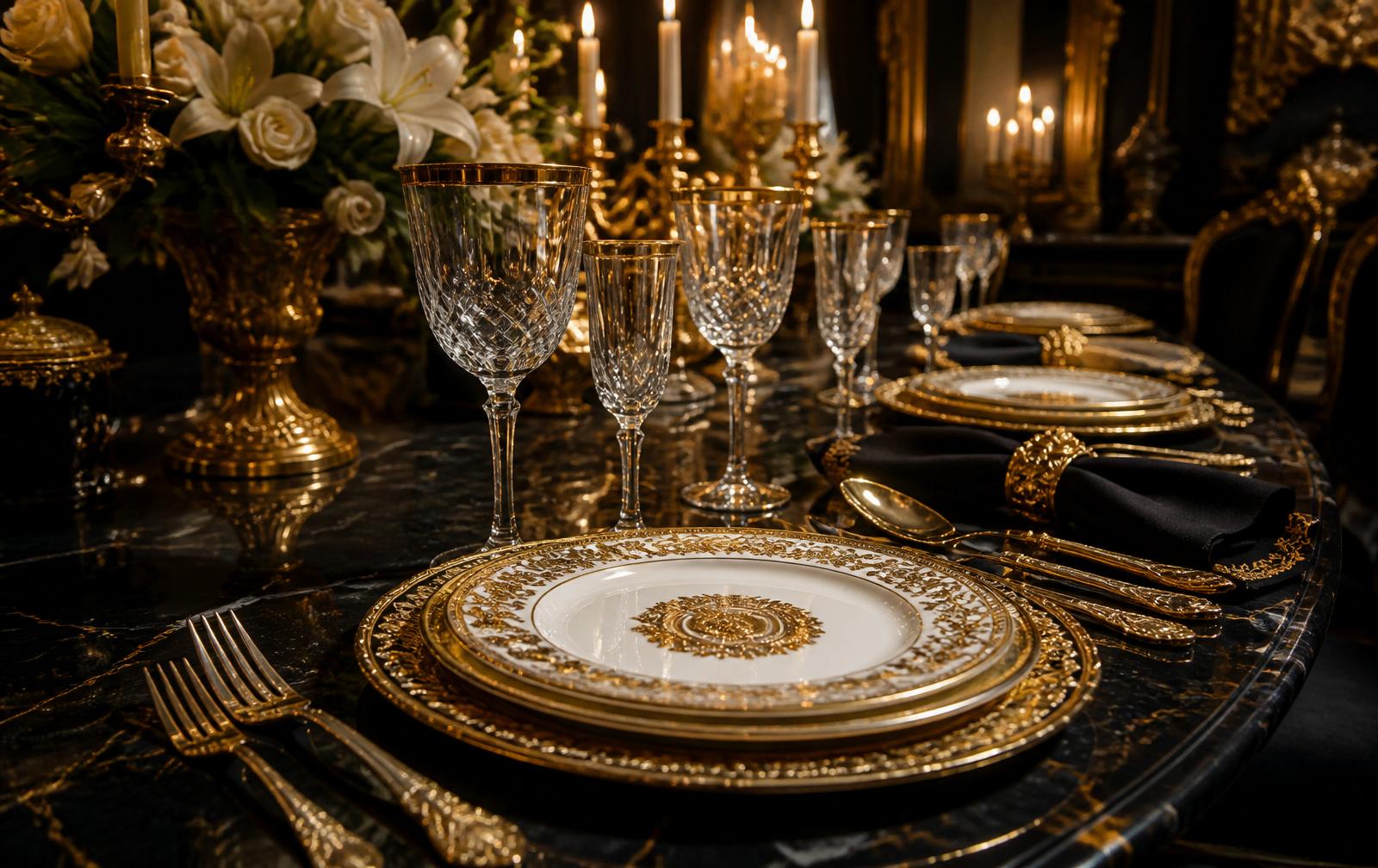
White, ivory or ecru linen, ironed without creases. On top, a charger — silver, porcelain or cut crystal — that marks each guest's place and stays until dessert.
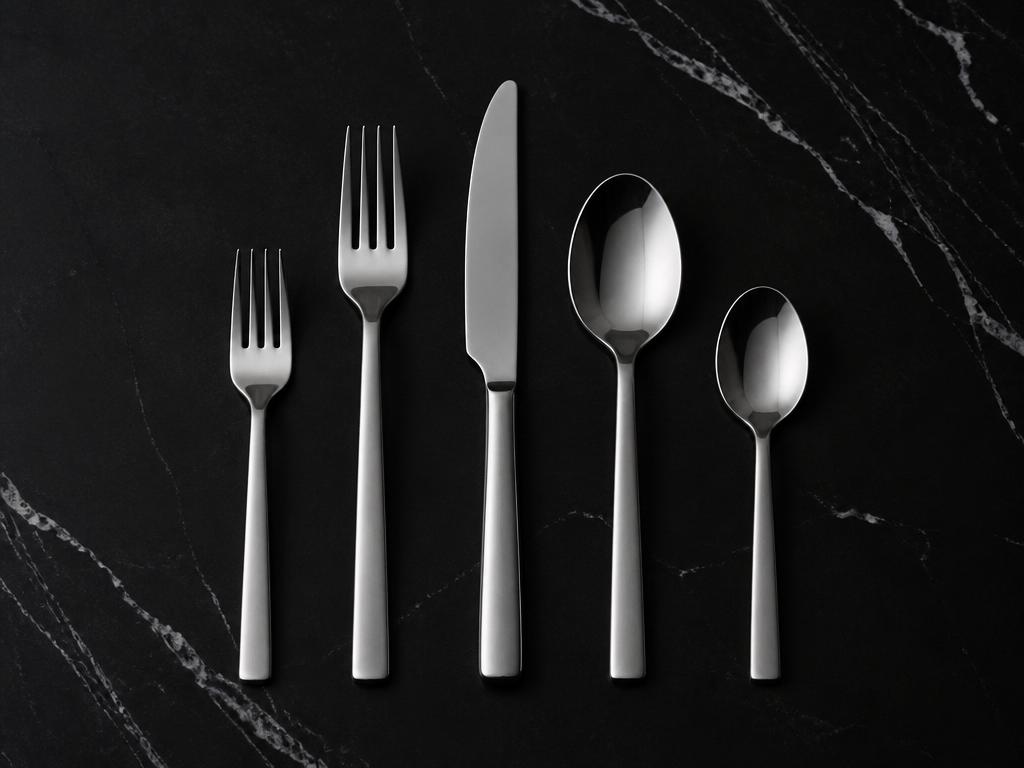
Cutlery is laid in the order it will be used: appetizer pieces furthest from the plate, main-course pieces closest. Knives on the right, blades facing the plate; forks on the left. Dessert cutlery lies above, parallel to the table's edge.
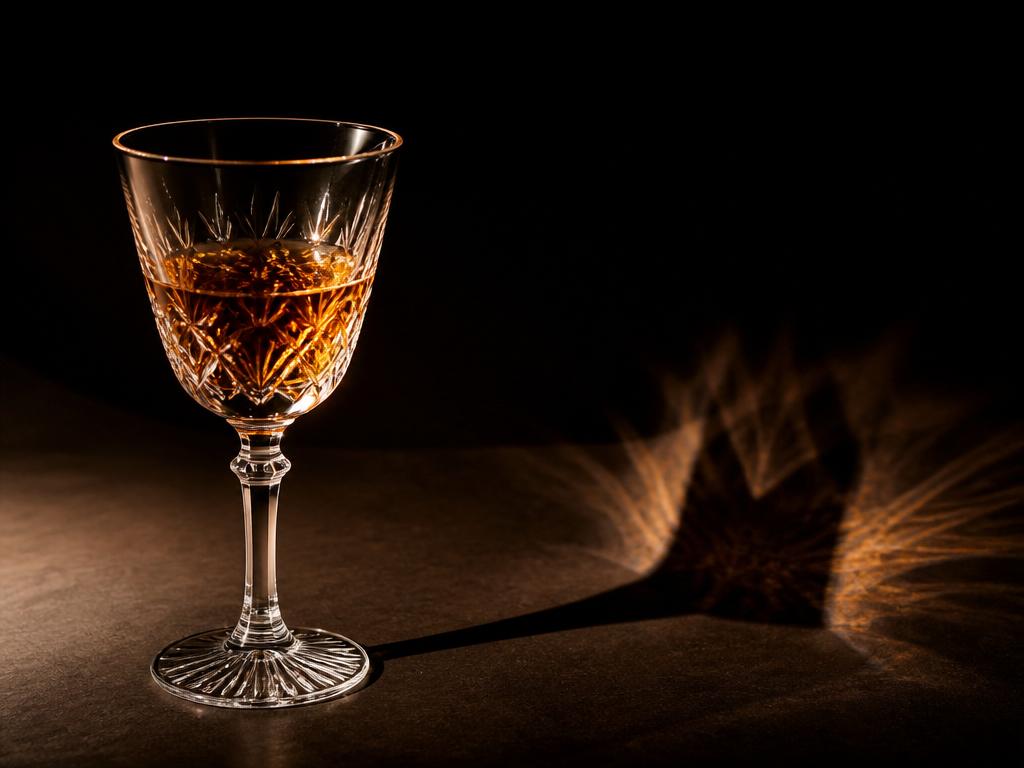
Above the main knife, in a diagonal toward the center: the water goblet first, then the red-wine, the white-wine, and — where appropriate — the champagne flute. Never more than four glasses per guest.
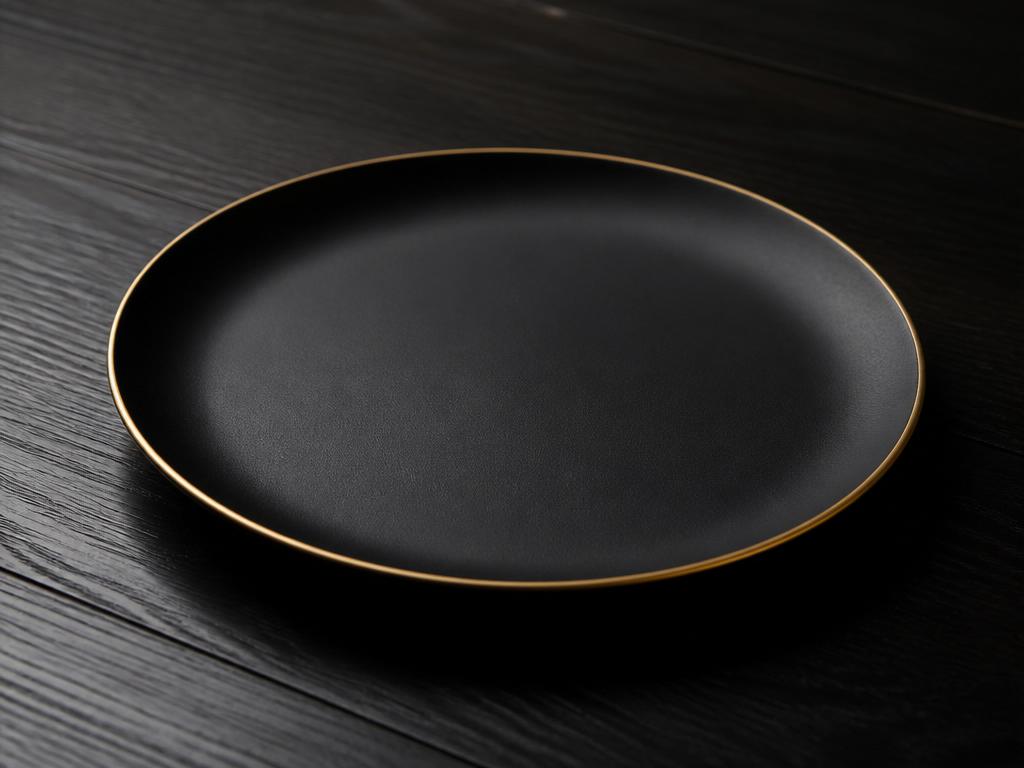
Soup plate over the dinner plate when broth is served; bread plate to the left, aligned with the tip of the fork. Between courses, plates are changed in silence: fine porcelain is set down, never dropped.
Reception in the sitting room with chilled sparkling wine, sherry or a light cocktail. Discreet canapés, music barely audible.
Guests are led to the table. A cold starter or a light soup opens the palate. White wine is poured from the right, never filling more than two-thirds of the glass.
Meat, fowl or fish from the house's grill. The red is decanted in advance and served at Latin American ambient temperature — sixteen to eighteen degrees.
A board of aged cheeses with quince paste, or fresh goat with honey. Dessert in individual porcelain; champagne accompanies the course or opens the after-dinner conversation.
Our most Latin rite: coffee, cognac or an aged rum; conversation lingers without haste. The hostess leaves the table only when the last guest wishes to rise.
The napkin goes folded on the lap the moment the hostess does so; at the end, it is placed to the left of the plate, not fully refolded.
Elbows never rest on the table during the courses; hands, yes — up to the wrist.
Taste before salting. Asking for salt before tasting is a silent slight to the host.
Bread is broken by hand, never cut with a knife, and never bitten whole.
Cutlery laid parallel, handles right: I have finished. Crossed in a V: I am still eating.
The toast is made looking into the eyes. The glass is raised; clinking is reserved for family gatherings.
Phones stay off the table. In a distinguished home, the table is sacred.
Centerpieces should not rise above twenty-five centimeters: the line of sight between guests is never broken.
Tea roses, hydrangeas, orchids or foliage are preferred: nothing that competes with the aroma of the food or wine.
Lit at dusk, white or ivory, unscented. Candlelight ennobles any table.
Discover the pieces our house has curated: hand-wrought cutlery, mouth-blown crystal and porcelain from Europe's most distinguished manufactories.
We use strictly necessary cookies to operate the site and, with your permission, preference, analytics and marketing cookies to improve your experience. You may accept, reject or configure your preferences at any time. Cookie policy.